Comprehensive Guide to Injecting Semaglutide: Revolutionizing Weight Management in the Nutrition and Pharmacy Industries
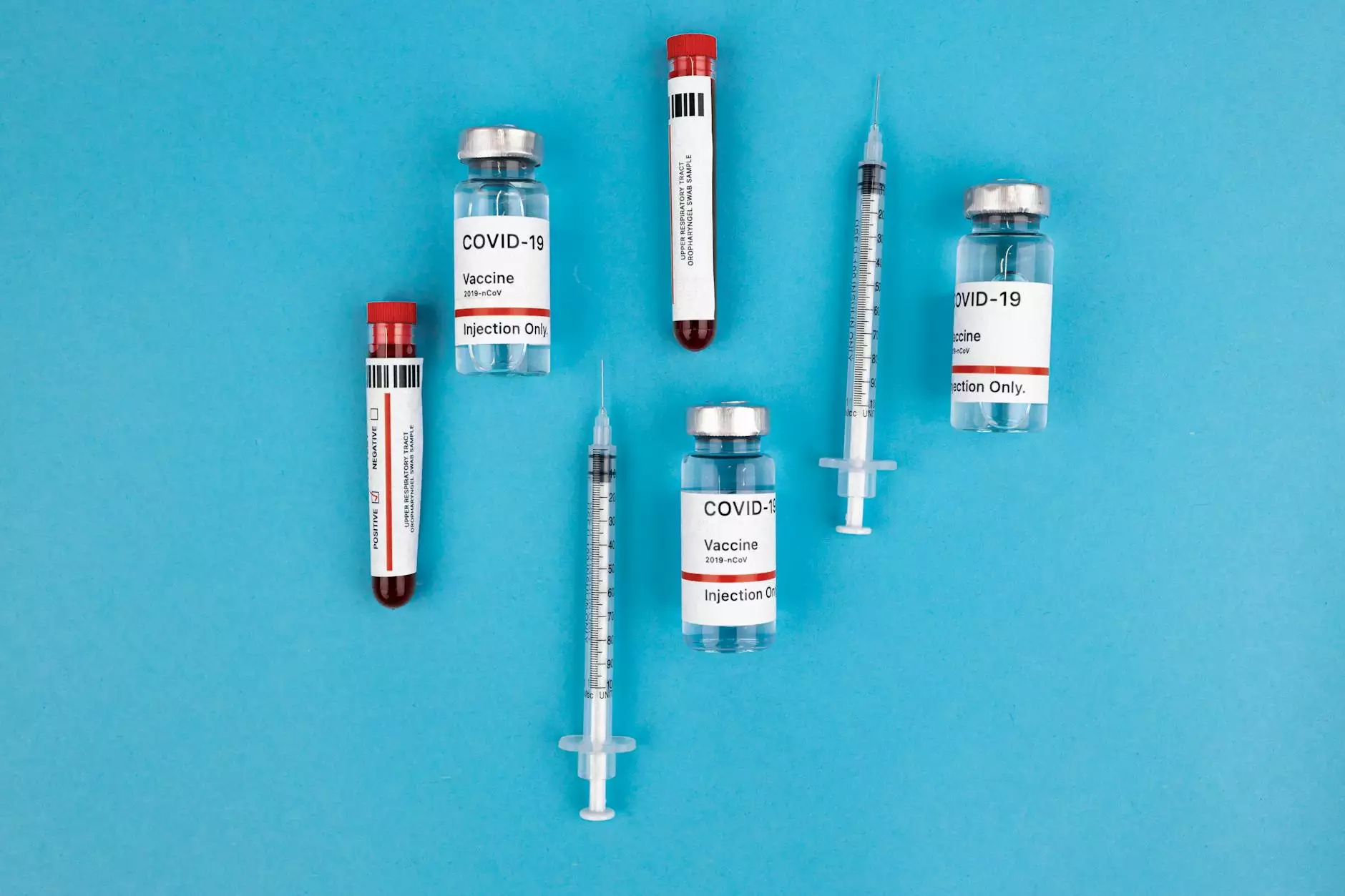
In recent years, the emergence of innovative pharmacological treatments has dramatically shifted the landscape of weight management and metabolic health. Among these, injecting semaglutide has gained widespread attention for its remarkable efficacy in promoting significant weight loss and improving metabolic parameters. This guide provides an in-depth exploration of semaglutide, its application in clinical practice, the vital roles that nutritionists, drugstores, and pharmacies play, and why this treatment is heralding a new era of health and wellness.
Understanding Semaglutide: The Genetic Breakthrough in Weight Management
Semaglutide is an incretin mimetic, specifically a glucagon-like peptide-1 (GLP-1) receptor agonist, originally developed to manage type 2 diabetes. However, its impressive ability to suppress appetite and promote weight loss has led to its expanded use in obesity treatment. The injectable form of semaglutide is administered weekly, making it a convenient and effective option for individuals aiming for sustainable weight management.
The Science Behind Injecting Semaglutide: How It Works
The mechanism of injecting semaglutide involves mimicking the body's natural GLP-1 hormones that regulate blood sugar levels and appetite. When administered, semaglutide acts on the central nervous system, particularly in the hypothalamus, to reduce hunger and food cravings. It also slows gastric emptying, which prolongs satiety. These combined actions result in decreased calorie intake and significant weight loss for many patients.
Clinical trials have demonstrated that patients receiving semaglutide injections can lose an average of 15-20% of their body weight over 68 weeks, which surpasses many traditional weight-loss methods. This efficacy points toward an essential paradigm shift in managing obesity and related metabolic disorders.
The Benefits of Injecting Semaglutide for Weight Loss and Metabolic Health
- Rapid and Sustained Weight Loss: Participants achieve notable reductions in body weight with consistent use.
- Improved Glycemic Control: Semaglutide helps regulate blood sugar levels, reducing the risk of type 2 diabetes.
- Enhancement of Cardiovascular Health: Weight loss associated with semaglutide correlates with lowered blood pressure and improved lipid profiles.
- Appetite Suppression: The medication significantly decreases hunger cues, aiding in calorie control.
- Ease of Use: Once-weekly injections promote compliance and convenience.
- Long-term Safety: Extensive clinical data support its safety profile when administered under medical supervision.
Role of Nutritionists in the Semaglutide Treatment Journey
Nutritionists are vital partners in the successful implementation of injecting semaglutide. Their expertise helps tailor comprehensive weight management plans that include dietary recommendations, behavioral counseling, and lifestyle modifications. With the introduction of semaglutide, nutritionists can now provide individualized nutritional strategies that complement pharmacotherapy.
Key contributions include:
- Developing personalized meal plans that focus on nutrient-dense foods to maximize health benefits.
- Educating patients on proper portion sizes and mindful eating techniques to enhance satiety.
- Monitoring nutritional deficiencies or imbalances and adjusting diet plans accordingly.
- Supporting behavioral change through ongoing motivational coaching.
The synergy between the pharmacological effects of semaglutide and nutritional interventions results in superior weight loss outcomes compared to either approach alone.
The Critical Role of Drugstores and Pharmacies in Distributing Semaglutide
As the primary points of access for injectable semaglutide, drugstores and pharmacies are essential in ensuring safe, effective, and affordable treatment options. Their responsibilities extend beyond mere distribution to include patient education, storage, and compliance monitoring.
Ensuring Proper Storage and Handling
Semaglutide requires refrigeration and protection from light to maintain its potency. Pharmacists must educate patients on correct storage practices at home and during travel.
Patient Counseling and Education
Proper injection techniques are critical for safety and efficacy. Pharmacists and drugstore staff should provide comprehensive training on how to administer injections, manage side effects, and recognize signs of adverse reactions.
Facilitating Access and Affordability
Drugstores and pharmacies often collaborate with healthcare providers and insurance companies to streamline access to semaglutide. They also offer financial counseling and assistance programs to reduce barriers for patients seeking this innovative treatment.
Implementing Semaglutide Treatment Safely and Effectively
To ensure that patients achieve optimal results with injecting semaglutide, adherence to medical guidelines is critical. This includes pre-treatment assessments, ongoing monitoring, and coordinated care involving healthcare professionals.
Pre-treatment Evaluation
Patients should undergo thorough medical evaluation to rule out contraindications such as personal or family history of medullary thyroid carcinoma or multiple endocrine neoplasia syndrome type 2.
Monitoring and Follow-up
Regular follow-up appointments help assess weight loss progress, side effects, and adherence. Adjustments to dosage or additional interventions may be necessary for optimal outcomes.
Managing Side Effects
Common side effects include nausea, vomiting, diarrhea, and constipation. Most are mild and transient, but healthcare providers should provide guidance on managing these symptoms effectively.
The Future of Weight Management: Injecting Semaglutide and Beyond
The growing success of semaglutide indicates a promising future where pharmacological innovations seamlessly integrate with nutrition and healthcare services. As research deepens, future advancements may include novel formulations, combination therapies, and broader applications targeting various metabolic conditions.
Moreover, the collaboration between nutritionists, drugstores, and pharmacies will be crucial in expanding access, improving patient education, and ensuring safety standards globally.
Conclusion: Embracing a Holistic Approach to Weight Loss with Semaglutide
The revolution in weight management brought by injecting semaglutide underscores the importance of a multidisciplinary approach involving healthcare providers, nutritionists, and pharmacy professionals. This synergy fosters safe, effective, and sustainable weight loss solutions that can dramatically improve quality of life and reduce the burden of obesity-related diseases.
As the industry continues to evolve, embracing evidence-based practices, technological innovations, and patient-centered care will ensure that everyone benefits from the transformative potential of semaglutide and integrated health strategies.